Can I Install Solar Panels on an Old Roof? What Bangalore Homeowners Should Check First
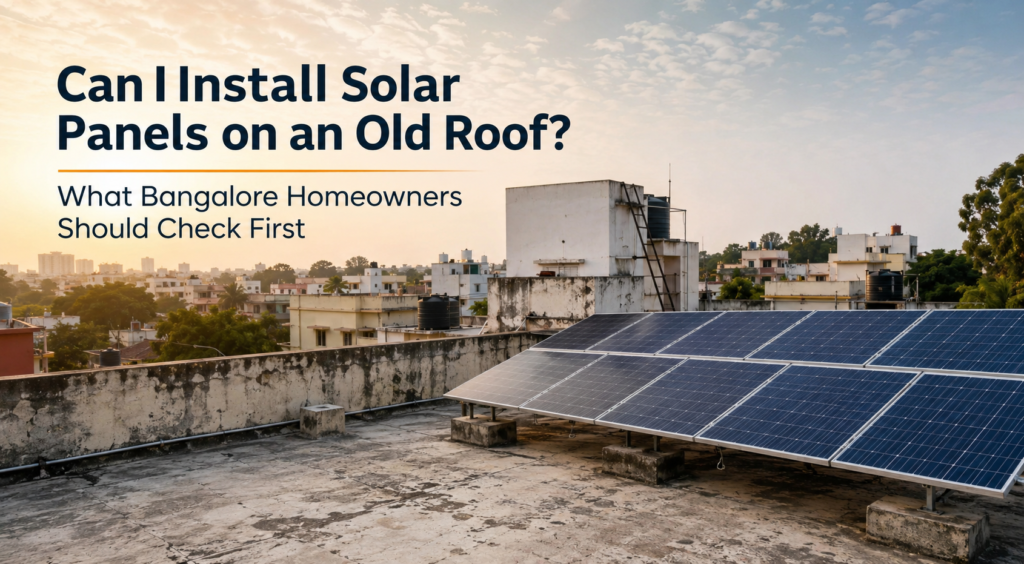
You may have a 15-year-old house.
Or a 25-year-old terrace.
Maybe there are a few cracks near the parapet, patches where waterproofing was done years ago, or an old tiled section that has never caused any serious trouble.
Then you decide to install rooftop solar.
And suddenly one question becomes much more important:
“Is my roof actually strong enough for solar panels?”
It is a sensible question.
Solar panels are designed to stay on your property for decades. So the condition of the roof underneath them matters just as much as the panel brand or inverter you choose.
The good news is that having an older house does not automatically mean you cannot install solar panels.
Many existing homes in Bangalore can accommodate rooftop solar perfectly well.
But an old roof should be inspected properly before the mounting structure is designed or drilling begins.
Here is what you should know.
The Short Answer
Yes, solar panels can often be installed on an older roof.
The age of the building alone does not determine whether it is suitable.
What matters more is the actual condition of the roof and structure.
A well-maintained older RCC terrace may be more suitable for solar than a much newer roof with leakage, weak sections or poor construction.
Before installation, your solar installer should evaluate the rooftop and determine whether any repairs, waterproofing work or additional structural assessment is required.
In other words:
Don’t reject solar because your house is old. But don’t install solar without checking the roof either.
Why Roof Condition Matters Before Installing Solar
Once a rooftop solar system is installed, you do not want to remove the panels a year later because the terrace suddenly needs major waterproofing or repair.
Imagine this situation.
Your roof has been developing small leaks during heavy Bangalore rains.
You ignore them because they are manageable.
Solar panels are then installed above that section.
Six months later the leakage becomes worse.
Now the waterproofing contractor needs access to the exact area covered by the mounting structure.
Instead of repairing the roof before installation, you may now need additional work around an existing solar system.
That is why roof condition should be discussed during the planning stage.
A small repair completed before solar installation can sometimes prevent a much larger inconvenience later.
What Should Be Checked on an Older Roof?
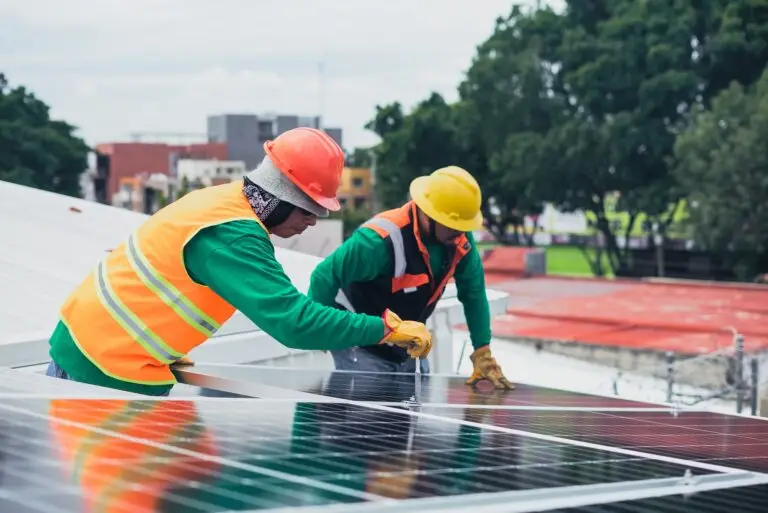
A professional rooftop inspection should look beyond whether there is enough space for panels.
The installer should understand the condition of the roof itself.
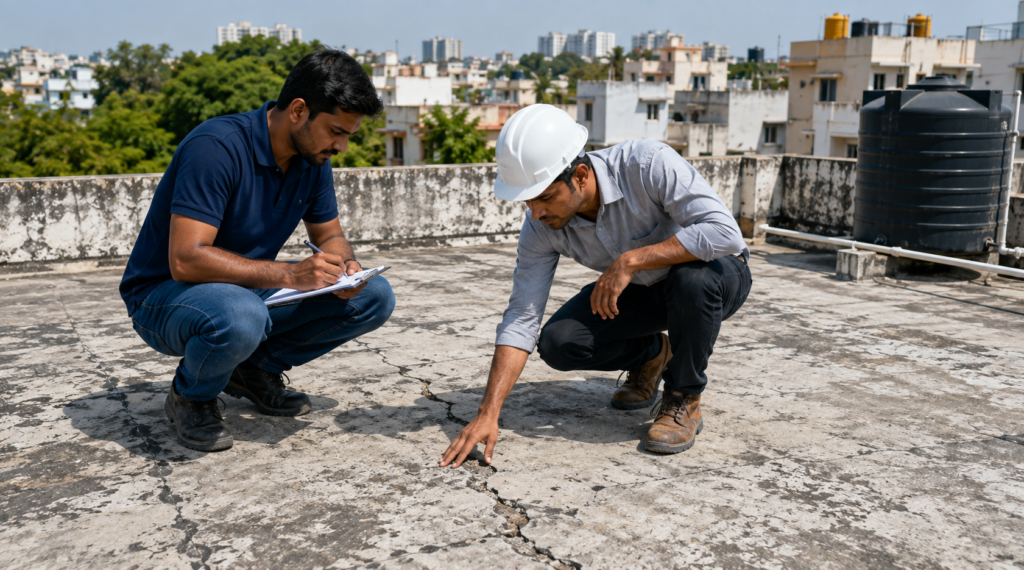
Important things to examine include:
- Visible cracks or damaged concrete
- Areas where water regularly collects
- Existing roof leakage or dampness
- Condition of previous waterproofing
- Weak or damaged roofing sheets
- Corrosion in metal roofing structures
- Condition of tiled or sloped roofs
- Parapet walls and surrounding structures
- Existing rooftop equipment such as water tanks
- Safe anchoring points for the solar mounting structure
- Any planned construction or renovation
If there are signs of significant structural problems, additional assessment by an appropriate structural professional may be needed before proceeding.
Solar installation should adapt to the building.
The building should not be blindly forced to adapt to a standard solar layout.
What About Older RCC Terrace Houses in Bangalore?
RCC terraces are extremely common across Bangalore.
You will find them in independent houses throughout neighbourhoods that were built long before residential rooftop solar became popular.
An older RCC terrace may still be completely suitable for solar.
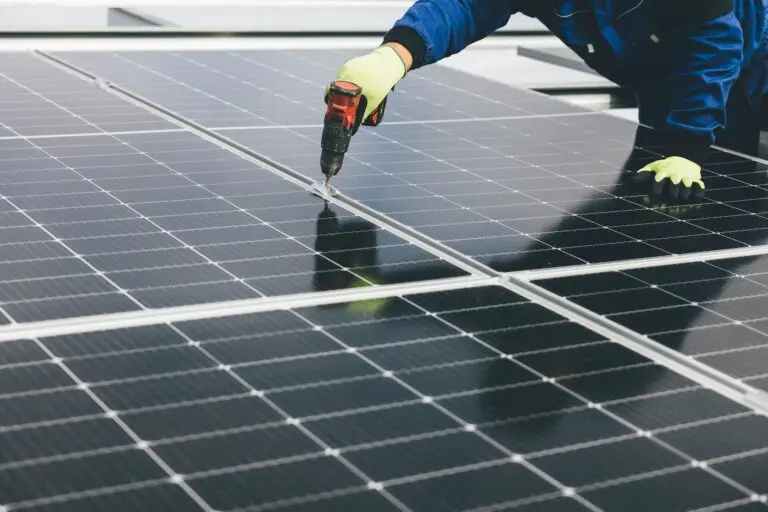
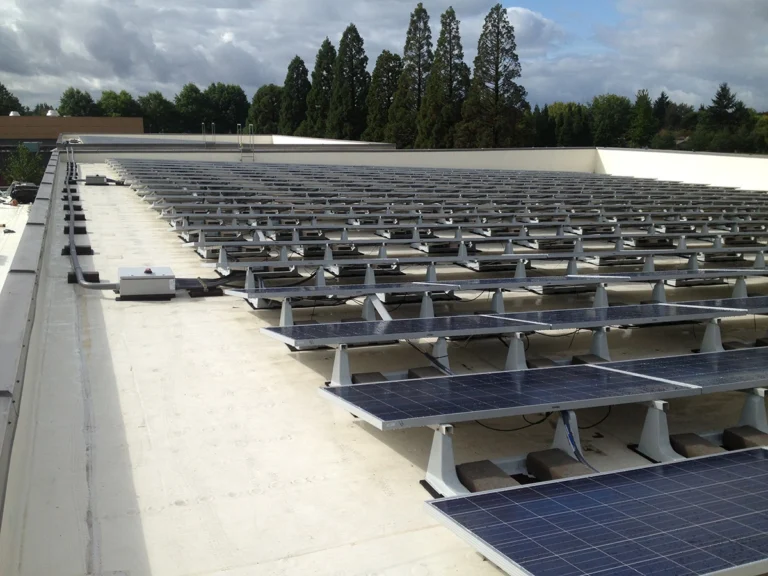
But the installer should inspect the condition of the slab and determine how the mounting structure will be installed.
The solar structure has to safely support the panels while dealing with environmental conditions such as wind and rain over many years.
Mounting should therefore never be treated as simply:
“Drill four holes and place the panel.”
The structure, anchors, panel arrangement and installation method should suit the actual property.
My Terrace Has Cracks. Does That Mean I Cannot Install Solar?
Not necessarily.
Small surface cracks and major structural problems are very different things.
A homeowner may see a crack and immediately assume:
“My roof is too old for solar.”
That conclusion may be premature.
The important question is why the crack exists and whether it affects the area where the solar structure will be installed.
Some issues may require relatively straightforward repair.
Others may require professional investigation.
What you should avoid is allowing an installer to simply ignore visible roof damage because they are eager to start the project.
If something looks wrong before installation, understand it first.
Should Waterproofing Be Done Before Solar Installation?
If your terrace already has waterproofing problems or you were planning to redo the waterproofing soon, it is usually much better to address that before the solar system is installed.
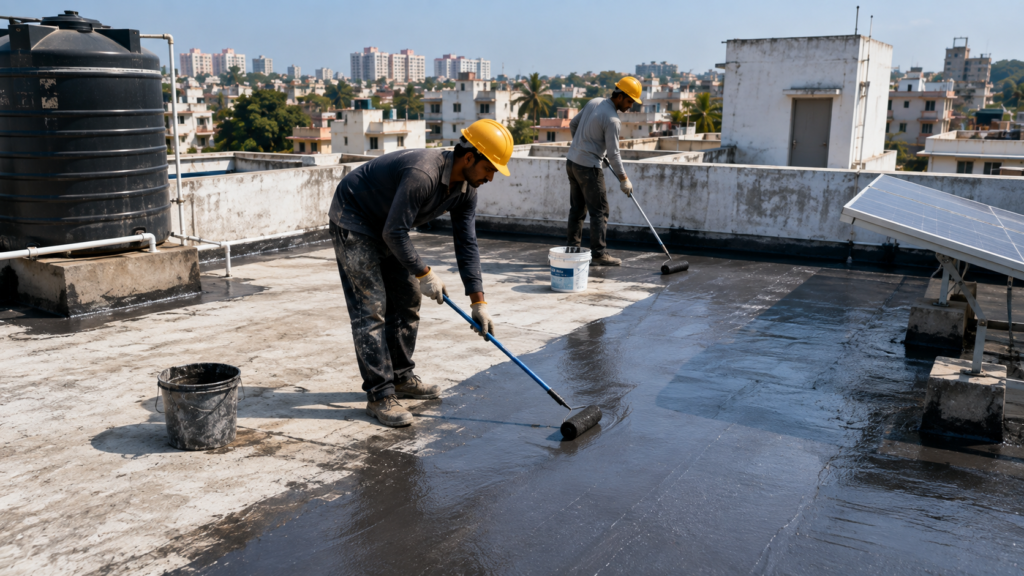
Think long term.
Solar panels may remain on the roof for decades.
You do not want to complete a rooftop solar installation today and realise next monsoon that the entire terrace needs major waterproofing work.
Ask yourself:
Does the roof leak during heavy rain?
Are there damp patches on the ceiling below?
Is water collecting in specific areas?
Has the waterproofing already exceeded its expected useful condition?
Are you planning terrace renovation in the next year or two?
If the answer to any of these raises concern, discuss it during the solar site survey.
Planning the sequence correctly can save considerable inconvenience later.
Will Solar Panels Damage My Roof?
A properly designed and properly installed rooftop solar system should not simply be assumed to damage your roof.
Problems are more likely to arise when mounting work is poorly executed.
For example, careless drilling, inadequate sealing or improper anchoring can create issues.
This is one reason installation quality matters.
The cheapest quotation is not necessarily cheaper if poor mounting creates waterproofing or structural problems later.
Before approving the project, ask the installer how the structure will be fixed to your specific type of roof and how penetrations, if required, will be protected.
A good installer should be able to explain the method clearly.
What If I Have a Tiled or Sloped Roof?
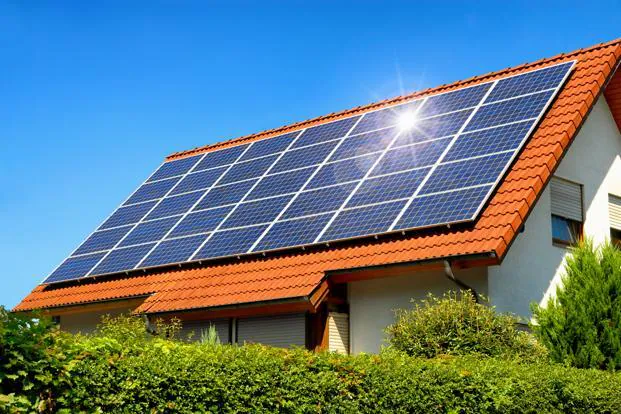
Solar is not limited to flat RCC terraces.
Panels can also be installed on different roof types using appropriate mounting systems.
But the installation method changes significantly.
A tiled roof, sloped roof or metal sheet roof should not be approached using the same mounting method as an RCC terrace.
The installer needs to understand the existing roof structure, roofing material, panel orientation, water flow and appropriate mounting points.
This makes the initial site inspection even more important.
Never assume that because your neighbour installed solar on a flat terrace, exactly the same structure can be copied onto your property.
What About Old Metal Sheet Roofs?
Metal roofs can work very well with solar when they are in suitable condition.
But an older sheet roof should be inspected for corrosion, loose sections, damaged fasteners and the condition of the supporting structure.
If the roof itself is approaching replacement, it may make more sense to deal with that first.
Otherwise you could install a long-life solar system on top of roofing that needs to be replaced shortly afterwards.
This is a simple principle worth remembering:
The solar system and the roof beneath it should have compatible long-term plans.
My House Is 20 or 30 Years Old. Should I Still Consider Solar?
Absolutely — provided the building is suitable after assessment.
The number written on the house completion certificate does not decide whether solar is possible.
What matters is what exists today.
A 30-year-old house that has been maintained carefully may have an excellent rooftop.
A relatively new building that has experienced leakage, poor construction or unplanned modifications may require more attention.
Instead of asking only:
“How old is my house?”
Ask:
“What condition is my roof in right now?”
That is a much more useful starting point.
Should I Repair or Replace the Roof Before Installing Solar?
This depends entirely on the roof.
If only minor maintenance is required, completing those repairs before installation may be enough.
If the roof needs substantial rehabilitation or replacement, it is usually better to address that before placing solar panels above it.
Remember that removing and reinstalling solar equipment later can create additional work.
If you already know that your roof will need major renovation soon, tell your solar installer during the first consultation.
That information can influence the project schedule and mounting design.
Does an Old Roof Affect How Many Solar Panels I Can Install?
Potentially.
Solar system sizing should primarily be based on your electricity requirement, but your rooftop determines how much suitable solar capacity can actually be accommodated.
An older property might contain additional obstacles such as water tanks, staircase structures, extensions built at different times or areas that should not be used for mounting.
Shading from neighbouring buildings can also become important, particularly in older Bangalore neighbourhoods where new multi-storey buildings may have appeared around existing houses.
Your usable solar area may therefore be smaller than your total terrace area.
That is why calculating solar capacity only from Google Maps, house square footage or a phone conversation can be misleading.
A proper site survey tells you what the roof can realistically accommodate.
Don’t Renovate the Terrace Immediately After Installing Solar
This sounds obvious, but it is worth planning for.
Before finalising your solar installation, think about what you may change on your terrace over the next few years.
Are you planning another floor?
A new water tank?
A rooftop room?
A pergola?
A major waterproofing project?
An external staircase?
These changes could interfere with the solar layout.
Solar is a long-term installation.
Your installer should therefore know about major future construction plans before deciding where the panels will go.
Sometimes shifting the solar array slightly during the design stage can prevent a major problem later.
Can the Solar Structure Strengthen a Weak Roof?
No.
A solar mounting structure should not be treated as a solution for an already weak or damaged building.
Its job is to safely support the solar modules.
If there is concern about the underlying roof or building structure, that concern should be dealt with separately.
Avoid anyone who responds to visible structural problems with:
“Don’t worry, the solar structure will hold everything.”
That is not how the decision should be made.
Assess the roof first.
Then design the solar system.
How a Good Solar Site Survey Should Work
A proper solar consultation should not begin and end with someone measuring the terrace.
rooftop solar installation process
The installer should understand your electricity consumption, roof layout, shading, roof condition, electrical system and future requirements.
Only then does it make sense to recommend a system.
For example, two homeowners might both request a 5 kW solar system.
The first has a large, open RCC terrace with no shading.
The second has an older roof, two water tanks, an adjoining taller building and planned waterproofing work.
The electricity requirement may be similar.
The installation plan should not be.
That is where professional system design becomes valuable.
Do I Need to Decide Everything Before Calling a Solar Company?
No.
You do not need to know whether your house needs 3 kW, 5 kW or 10 kW.
You do not need to calculate panel weight.
And you do not need to know which mounting structure should be used.
That is exactly what the assessment is for.
A useful starting point is simply to keep your electricity bills available and tell the installer about any known roof problems or upcoming construction plans.
The solar company can then evaluate the project properly.
An Old Roof Shouldn’t Automatically Stop You From Going Solar
Many Bangalore homeowners live in properties that were constructed long before rooftop solar became common.
That does not mean those houses have missed the opportunity.
The key is to treat the roof as part of the solar system — not merely as the empty space where panels happen to be placed.
Before installation, understand the roof condition.
Complete necessary repairs.
Plan waterproofing properly.
Consider future construction.
Choose a suitable mounting system.
Then install solar with confidence.
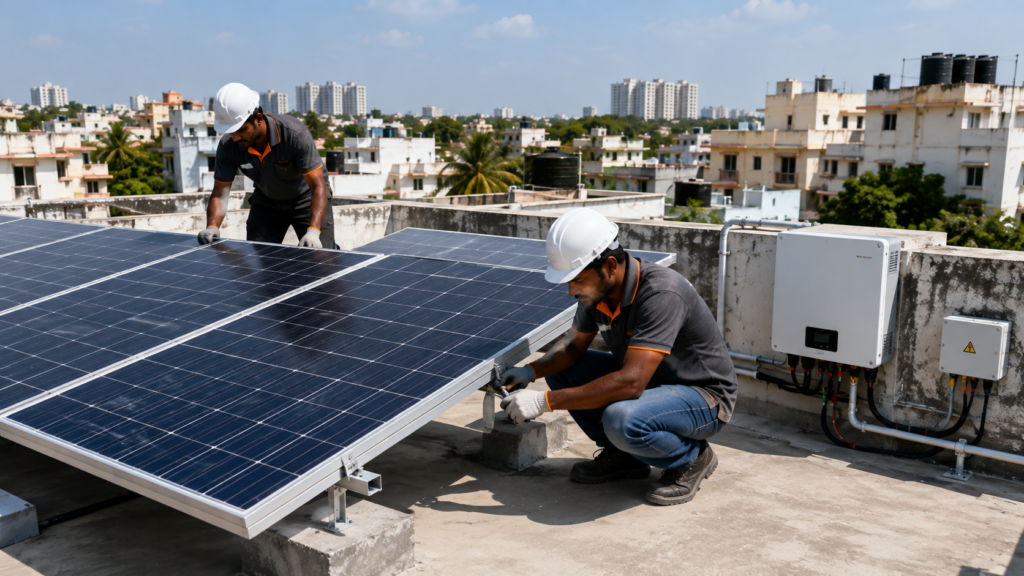
A rooftop solar system can operate for many years.
Taking the time to prepare the roof correctly at the beginning is far easier than solving avoidable problems after the panels have been installed.
Planning Solar for an Older House in Bangalore?
If you own an older independent house, villa, commercial property or building and are unsure whether the roof is suitable for solar, start with an assessment rather than guessing.
Eltron Energy provides rooftop solar solutions across Bengaluru and Karnataka.
The team can evaluate your electricity requirement, available rooftop space, shading, roof condition and project requirements before recommending a suitable solar system.
Get a Free Rooftop Solar Site Survey
Share your latest electricity bill and property details with Eltron Energy.
Find out what system capacity suits your consumption, how much usable rooftop space is available, where the panels can be placed and whether any roof-related work should be completed before installation.
Don’t let the age of your house decide whether you can go solar.
Let the condition of your roof — and a proper assessment — decide.
Talk to Eltron Energy and get a rooftop solar system designed around your actual property.
Frequently Asked Questions
Can solar panels be installed on a 20-year-old house?
Yes, potentially. The age of the house alone does not determine solar suitability. The roof condition, structural condition, mounting requirements and available usable area should be evaluated before installation.
Can solar panels cause roof leakage?
Poor installation practices can create problems, particularly where roof penetrations are not handled correctly. The mounting method and waterproofing details should therefore be discussed before installation.
Should I waterproof my terrace before installing solar?
If the terrace already has leakage or is due for major waterproofing work, addressing it before solar installation can prevent the need to work around or temporarily remove solar equipment later.
Can solar panels be installed on a cracked roof?
It depends on the nature and cause of the cracks. Visible damage should be assessed before installation rather than ignored.
Can solar panels be installed on tiled roofs?
Solar can be installed on several roof types, but the mounting method must be appropriate for the specific roofing material and structure.
Is an RCC roof suitable for solar panels?
Many RCC rooftops are suitable for solar installations. The condition of the terrace, usable area, mounting design, shading and other site-specific factors still need to be checked.
Who should check my roof before installing solar?
Your solar installer should perform a proper rooftop site survey. Where there are structural concerns, an appropriate structural professional may also need to assess the building before the solar project proceeds.
questions to ask your solar installer
Author: Eltron Energy Editorial Team
Updated: September 1, 2026